
Some fruits and vegetables belong in the refrigerator, but others keep their best flavor and texture in a pantry, on the counter or in a cool basement. The difficult part is that they do not all like the same conditions … and some should never be stored together.
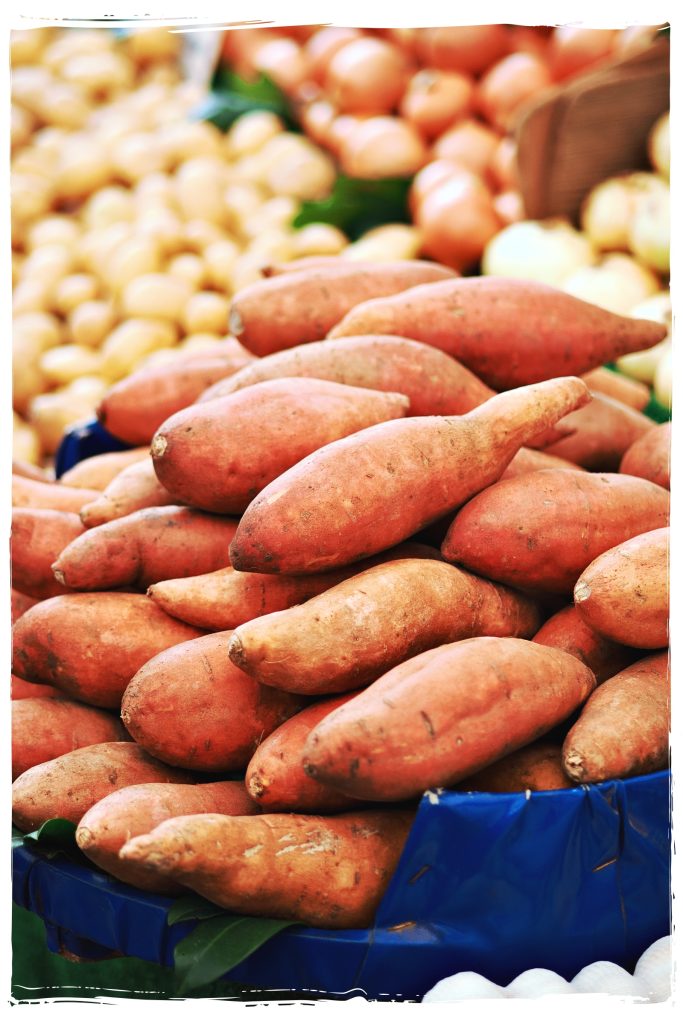
Potatoes prefer darkness and moderate humidity. Onions need a much drier environment. Bananas, apples and several other fruits release ethylene gas as they ripen, which can shorten the storage life of nearby vegetables. Sweet potatoes and winter squash are sensitive to refrigerator temperatures. A little thoughtful organization can prevent premature sprouting, softening and spoilage.
This guide explains how to store produce that is commonly kept outside the refrigerator, which foods can share a storage area and which ones need their own space.
The Most Important Produce Storage Rules
Before sorting individual fruits and vegetables, follow these basic rules:
1. Do not wash produce before storing it. Extra moisture encourages mold and decay. Brush off loose soil and wash produce immediately before using it.
2. Provide ventilation. Open baskets, slatted crates, mesh bags and paper bags with ventilation holes are better than sealed plastic containers.
3. Keep storage produce out of direct sunlight. Light can cause potatoes to turn green and encourages several foods to deteriorate more quickly.
4. Check everything regularly. One leaking onion or rotting potato can quickly affect an entire container.
5. Store only sound produce. Use bruised, cut or damaged items first instead of placing them in long-term storage.
6. Separate ethylene-producing fruit from sensitive vegetables. Apples, bananas, pears, tomatoes and ripening stone fruits release ethylene.
7. Refrigerate cut produce. Once a fruit or vegetable has been peeled or cut, refrigerate it within two hours—or within one hour when the temperature is above 90°F.
Quick Produce Storage Chart


How to Store Potatoes, Onions and Garlic
Store potatoes in a cool, completely dark and ventilated location. A basement shelf, pantry cabinet away from the oven or dedicated produce cupboard can work. Place them in a slatted crate, open basket, cardboard box with ventilation holes or paper bag. Do not seal them in plastic.
Light causes potatoes to produce chlorophyll and turn green. The green color itself is harmless, but it can indicate increased glycoalkaloids such as solanine. Discard potatoes that are extensively green, bitter, very soft, shriveled or heavily sprouted.
For good eating quality, a temperature around 45–50°F is practical for home storage. Colder storage can convert some potato starch into sugar, which can change flavor, browning and frying performance. Ordinary room temperature is acceptable for short-term storage, but the potatoes will sprout and soften sooner.
Mature storage onions and whole garlic bulbs need cool, dark, dry conditions with abundant air circulation. Use mesh bags, wire baskets or open slatted crates. Keep garlic intact until needed because separated cloves dry out more quickly. Avoid sealed plastic bags, crowded containers and areas near the stove, dishwasher or sink.
Keep potatoes and onions in separate containers and ideally separate storage areas. Potatoes prefer more humidity, while onions and garlic need dry conditions. Also keep potatoes away from apples, bananas, pears and ripening tomatoes, whose ethylene can encourage sprouting and shorten storage life.
Once an onion is cut, wrap it or place it in a covered container and refrigerate it. Use or discard onions with a soft neck, wet spot, mold or unpleasant odor.

How to Store Sweet Potatoes
Sweet potatoes prefer a somewhat warmer environment … ideally approximately 55–60°F … with darkness and ventilation. A cool basement room or pantry is usually better than a cold refrigerator.
Raw sweet potatoes can suffer chilling injury in the refrigerator, potentially producing a hard center and poor flavor after cooking. Keep them dry, handle them gently and avoid storing them below approximately 50°F for an extended period.
Do not wash sweet potatoes before storage. Keep them in an open crate, basket or ventilated box, separate from apples and bananas. Cooked sweet potatoes must be refrigerated.

How to Store Winter Squash and Pumpkins
Butternut, acorn, spaghetti, delicata, buttercup and kabocha squash keep best in a dry, dark, well-ventilated place at approximately 50–55°F. Do not pile them deeply. Arrange them in a single layer when possible, leaving space for air to circulate, and avoid direct contact with a damp concrete floor.
Examine each squash weekly. Use squash with small bruises or stem damage first. Discard specimens that become deeply soft, wet, leaking or extensively moldy.
Storage time varies considerably by variety and maturity. Acorn and delicata squash are generally shorter keepers, while properly cured butternut, hubbard, buttercup and kabocha types may last much longer. Homegrown winter squash intended for storage should be fully mature and properly cured.
Do not store winter squash with apples or pears. The ethylene they release can cause yellowing and shorten the squash’s storage life.

How to Store Apples, Bananas and Other Ripening Fruit
Apples can sit in a fruit bowl for several days, but refrigeration is best for maintaining crispness and extending storage. If refrigerator space is limited, apples may be held in a cold basement or cellar in their own ventilated box, provided the temperature remains safely above freezing.
Apples are substantial ethylene producers. Keep stored apples away from potatoes, sweet potatoes, winter squash, carrots and other vegetables. Inspect them frequently and remove bruised or decaying fruit. For convenient snacking, keep most apples refrigerated and place only a few in the fruit bowl at a time.
Bananas should ripen at room temperature, away from direct sun and sources of heat. A banana hanger or open bowl can reduce pressure bruising. Keep bananas away from potatoes, sweet potatoes, onions and winter squash. Once ripe, refrigerate them for a few more days; the peel may darken, but the fruit usually remains usable longer. Overripe bananas can be peeled, frozen in chunks and transferred to a freezer container.
Firm avocados, pears, peaches, nectarines, plums, apricots, mangoes, papayas and kiwifruit can ripen at room temperature. Arrange them in a single layer to prevent bruising. To accelerate ripening, place one in a loosely closed paper bag with a banana or apple; do not use an airtight plastic bag. Refrigerate ripe fruit to slow further softening.
Cherries should be refrigerated promptly because they do not continue ripening meaningfully after harvest. Pineapples do not become significantly sweeter after harvest, although they may soften and become more aromatic. Keep whole pineapples at room temperature only briefly and refrigerate them if you need more time.

How to Store Tomatoes, Melons and Citrus
Keep unripe and just-ripe tomatoes at room temperature, out of direct sunlight, in a single layer. Cold temperatures diminish tomato aroma and texture, but refrigerate fully ripe tomatoes if necessary to prevent spoilage. Let them return to room temperature before serving.
Whole watermelon, cantaloupe and honeydew may be stored at room temperature for short periods. A cool room preserves quality better than a hot kitchen. Cantaloupes produce ethylene, so keep them away from potatoes and long-storing vegetables.
Oranges, lemons, limes, grapefruit and mandarins can stay on the counter when they will be used within several days. Keep them in an open bowl or ventilated basket. Refrigeration extends their life considerably, especially when you have purchased a large quantity.
Refrigerate all cut fruit. Cover cut melon or place it in a closed container, and do not leave cut produce at room temperature for more than two hours—or more than one hour when temperatures exceed 90°F.

Produce That Should Usually Go in the Refrigerator
Although many whole fruits and vegetables are safe at room temperature temporarily, refrigeration is best for the quality of most produce. These items generally belong in the refrigerator:
● Leafy greens, lettuce and spinach
● Broccoli, cauliflower and Brussels sprouts
● Cabbage after cutting
● Carrots, parsnips, beets, radishes and turnips
● Celery and asparagus
● Green onions and leeks
● Cucumbers, peppers and eggplant
● Fresh corn, peas and green beans
● Mushrooms
● Berries, grapes and cherries
● Fresh-cut or peeled produce of every kind
● Most fresh herbs, with basil as a common exception
Fresh basil is sensitive to cold. Trim the stems and stand the bunch in a small glass of water at room temperature, away from direct sunlight. Loosely cover it if desired and change the water regularly. Refrigerate cilantro, parsley, dill and most other tender herbs.

How to Organize a Pantry or Basement Produce Area
Create separate storage zones rather than placing everything in one cupboard:
● Potatoes: A dark, ventilated box or basket, away from onions and fruit.
● Onions and garlic: Mesh bags or open baskets in a low-humidity area.
● Sweet potatoes and winter squash: A slightly warmer, dry, ventilated shelf with room for airflow.
● Fruit and ethylene producers: Apples, pears and other ripening fruit in the refrigerator for long storage; bananas and fruit ripening on the counter, away from long-storage vegetables.
A small thermometer and humidity gauge can make basement storage more predictable. Avoid areas that freeze, become damp, contain household chemicals or experience large temperature swings. Keep produce raised off the floor and protected from rodents and insects. Inspect stored produce regularly and remove damaged items promptly.

Frequently Asked Questions
Can sweet potatoes be stored with regular potatoes?
They can be kept in the same general room, but separate containers are better. Sweet potatoes prefer slightly warmer conditions than regular potatoes and are more sensitive to cold.
Can squash and sweet potatoes be stored together?
They can share a cool, dry storage zone around 55°F, provided they have good airflow and are not crowded together. Inspect both regularly and remove damaged produce promptly.
Are baskets better than plastic containers?
For most pantry-stored produce, ventilated baskets, mesh bags, paper bags and slatted crates are preferable. A solid plastic bin can trap moisture unless it has generous ventilation holes.
When must produce be refrigerated for safety?
Whole, intact produce is generally much less perishable than cut produce. Once produce is cut, peeled or cooked, refrigerate it within two hours or within one hour when temperatures exceed 90°F.

The Bottom Line
The secret to successful produce storage is not finding one perfect cupboard. It is creating a few small zones for foods with different needs. Keep potatoes dark and ventilated, onions and garlic dry, sweet potatoes slightly warmer, winter squash uncrowded and fruit that releases ethylene well separated from long-storage vegetables.
With proper airflow, regular inspection and a little separation, your produce will stay flavorful longer—and far less of it will end up in the compost.
Sources and Further Reading
● University of Minnesota Extension: Harvesting and Storing Home Garden Vegetables
● Oregon State University Extension: Storing Pumpkin and Winter Squash
● Penn State Extension: Sweet Potato Curing and Storage
● Utah State University Extension: Storing Fresh Fruits and Vegetables
● Purdue Extension: Storing Fresh Fruits and Vegetables for Best Flavor


Hello! I’m Lisa, a vegan artist, photographer, author, Vegan Life Coach Educator, and RYT 200 yoga teacher. I love showing others how simple and delicious a plant-based diet can be. I draw and paint, cook, write, take lots of pics, eat lots of chocolate, and practice gratitude daily.