
Gluten-free baking can feel really confusing at first because “gluten-free flour” is not just one ingredient. It is a whole family of grain, seed, nut, bean, and starch flours, each with a different flavor and job in a recipe. Some add body and nutrition; others help a cake stay tender or a bread hold together. But just about any baked good, bread, cake, pancake, etc can be made gluten free. Even sourdough can be made gluten free!

Once you understand what each flour contributes, choosing one becomes much easier. This guide covers the most common gluten-free flours, how commercial blends work, what to use for different kinds of baking, and how to avoid the mistakes that lead to gritty, dense, or crumbly results.
What is gluten-free flour?
Gluten-free flour is flour made without the gluten proteins found in wheat, barley, and rye. It may be milled from naturally gluten-free grains such as rice, sorghum, millet, or teff; from legumes, nuts, or seeds; or from starchy roots such as cassava and tapioca.
*Wheat starch can be processed to be gluten-free and is used in some specialty GF flour blends.
Wheat flour behaves differently because gluten forms an elastic network when flour is mixed with water. That network stretches around gas bubbles, helping bread rise and giving baked goods their familiar crumb and chew. Gluten-free ingredients don’t form that stretchy gluten network, so recipes often combine several flours with starches and a binder such as xanthan gum, psyllium, or ground flax that mimic those things.
That is why one gluten-free flour is rarely going to work perfectly as a direct replacement in every recipe. A light cake, chewy cookie, and lofty loaf each need a different balance of structure, tenderness, moisture, and binding.

The main kinds of gluten-free flour
Rice flour
Rice flour is one of the most common bases for gluten-free blends. White rice flour has a mild flavor and light color. Brown rice flour includes the bran, so it has a heartier flavor and more fiber. Both can work in cakes, cookies, breads, batters, and sauces when used as part of a balanced recipe.
Rice flour can taste gritty when it is coarsely milled or used in a recipe without enough resting time or moisture. Fine-milled flour and a short rest after mixing can help the particles hydrate. Sweet rice flour, also called glutinous rice flour, is made from a sticky variety of rice. Despite its name, it contains no gluten and is especially useful in small amounts as a binder because it becomes pleasantly chewy when cooked.

Sorghum flour
Sorghum flour is a whole-grain flour with a mild, slightly sweet flavor. It adds substance and a soft crumb to muffins, quick breads, pancakes, and some yeast breads. It is often paired with lighter flours or starches so a recipe does not become too dense.
Oat flour
Oat flour has a mild, familiar flavor and works well in pancakes, muffins, cookies, and quick breads. It can make baked goods tender and hearty. Oats are naturally gluten-free, but they can be cross-contacted with wheat, barley, or rye during growing and processing. If you bake for someone with celiac disease, choose oats or oat flour specifically labeled gluten-free. A small number of people with celiac disease also react to oat protein, so individual tolerance matters.
Millet flour
Millet flour is mild and lightly sweet. It can add a soft, fine crumb to cakes, muffins, and flatbreads. On its own it may produce a crumbly result, so it is usually blended with other flours and a binder.
Buckwheat flour
Despite the name, buckwheat is not wheat; it is naturally gluten-free. Its flour has a distinctive earthy, nutty flavor and works especially well in pancakes, crepes, noodles, crackers, and rustic breads. Light buckwheat flour is milder, while darker whole-grain buckwheat flour has a stronger taste.
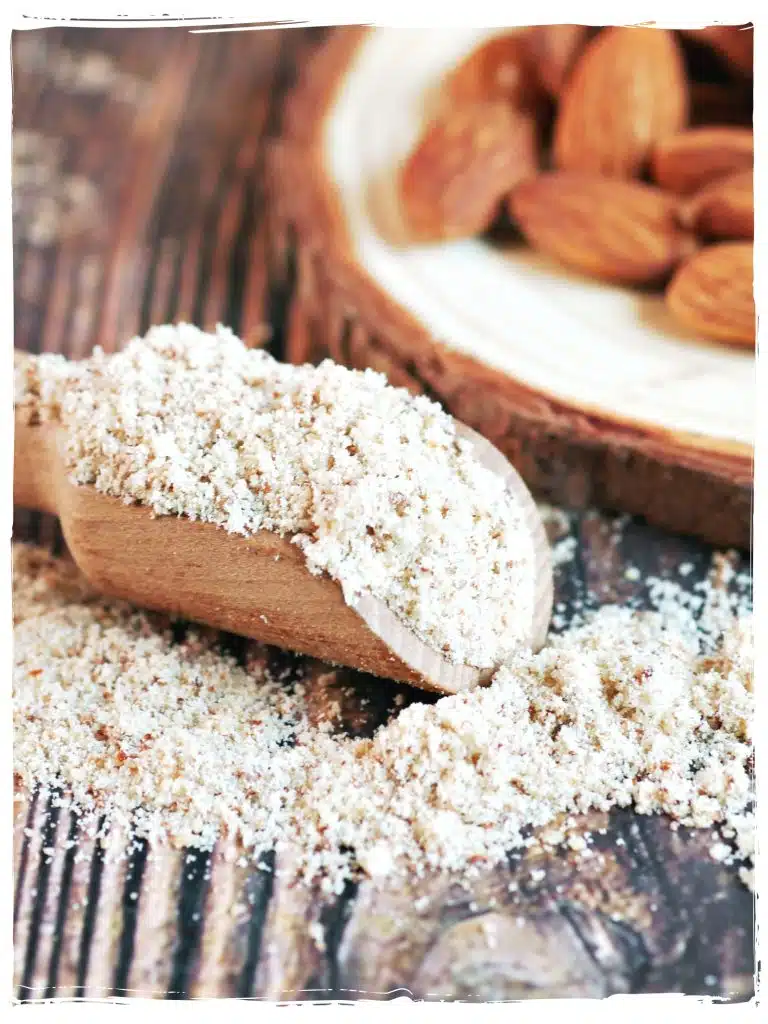
Almond flour
Almond flour is made from ground almonds and contains more fat and protein than grain flours. It adds moisture, richness, and tenderness to cookies, cakes, and quick breads. It does not behave like a cup-for-cup wheat flour replacement, and it usually needs other ingredients to provide enough structure. Almond flour is also a tree-nut allergen.

Gluten Free Wheat Starch
Gluten-free wheat starch is made from wheat that has been processed to remove nearly all of its gluten protein, leaving behind the starch. It gives gluten-free baked goods a softer, lighter texture and can help breads develop a more traditional wheat-like crumb. When specially processed and tested to contain less than 20 parts per million (ppm) of gluten, it can be labeled gluten-free and is generally considered safe for people with celiac disease. However, gluten-free wheat starch is not safe for people with a wheat allergy, because other wheat proteins may remain.
Coconut flour
Coconut flour is very absorbent and high in fiber. A small amount can soak up a surprising amount of liquid, so it is not interchangeable with other flours by volume. Recipes made with it usually need extra binder and considerably more liquid. It has a mild coconut flavor and is best used in recipes developed specifically for it.
Chickpea flour
Chickpea flour, sometimes called besan or gram flour, has a strong savory, bean-like flavor when raw that mellows with cooking. It is useful in savory pancakes, flatbreads, fritters, batters, and some egg-free dishes. It can add protein and structure, but its flavor may be noticeable in delicate sweets.

Tapioca flour or starch
Tapioca flour and tapioca starch are two names for the same product in many U.S. stores. Made from cassava root, tapioca starch helps bind ingredients and can add chew, flexibility, and a crisp edge. Too much can make a loaf gummy or stretchy, so it is usually combined with other flours and starches.
Potato starch and potato flour
These are different products. Potato starch is a light, fine starch that helps create a tender texture and can retain moisture. Potato flour is made from the whole potato and is much heavier and more absorbent, with a noticeable potato flavor. Check the label carefully; they are not interchangeable.
Corn flour, cornmeal, and masa harina
Finely ground corn flour can be used in some breads, cakes, and pancakes. Cornmeal is coarser and gives cornbread, muffins, and polenta their characteristic texture. Masa harina is corn flour treated with lime and is used for tortillas and tamales. These ingredients have different textures and functions, so use the one specified in the recipe.
Teff and quinoa flour
Teff flour has a deep, earthy flavor and is traditionally used in injera. It can also add flavor and whole-grain character to pancakes, crackers, and breads. Quinoa flour has a nutty, sometimes slightly bitter flavor; toasting it gently can mellow that flavor. Both are usually most successful as part of a blend rather than the only flour in a recipe.
Whole-grain flours versus starches
Whole-grain flours such as brown rice, sorghum, millet, oat, teff, and buckwheat contribute flavor, color, fiber, and body. Starches such as tapioca, potato, and cornstarch are lighter and help soften the crumb, thicken mixtures, or create a crisp or chewy texture.
A good flour blend often uses both. A blend made only from whole-grain flours can be heavy or dry; one made mostly of starch can be bland, gummy, or fragile. The right balance depends on what you are baking.

What is a gluten-free flour blend?
A commercial all-purpose gluten-free blend combines several flours and starches so it can be used more conveniently. Some blends also include xanthan gum or another binder. A “measure-for-measure” or “1-to-1” blend is generally designed to replace wheat all-purpose flour in certain recipes, most often cookies, cakes, and other non-yeasted bakes. A gluten-free all-purpose flour intended for recipes already written as gluten-free may not contain a binder, and its recipe may call for xanthan gum separately.
These labels are not universal promises. Brands use different ingredients and proportions, and a blend that works in one recipe may not work the same way in another. Follow the recipe’s flour instructions, including the named brand when the recipe has been tested with one. Check whether the blend already contains xanthan gum before adding more.
Bread is a special case. Yeasted dough needs enough structure to hold gas as it rises, and gluten-free bread formulas may use a different flour blend, extra binder, psyllium, or a higher hydration level. A measure-for-measure flour intended for cookies and cakes is not automatically a good substitute for bread flour.
Which gluten-free flour should you use?


Why gluten-free baking can turn out gritty, dry, or gummy
Grittiness often comes from flour that is too coarse or has not had time to hydrate. Use finely milled flour when possible and let the batter rest if the recipe recommends it.
Dry or crumbly results can come from too much flour, too little liquid, or missing binder. Weighing ingredients is more reliable than scooping cups because gluten-free flours vary in density. Do not add extra flour just because a dough looks softer or stickier than wheat dough; some gluten-free batters are meant to be thick, and bread dough may look more like a paste than a kneadable ball.
Gumminess can result from too much starch or binder, underbaking, or slicing bread before it has cooled. Gluten-free loaves often need to cool fully so their interior can set. Follow the recipe’s doneness cues and cooling time.
A dense loaf may be caused by a flour blend that is too heavy, a weak binder system, insufficient rise, or a recipe that was not designed for that particular flour. Gluten-free dough does not behave exactly like wheat dough, so kneading and shaping instructions may need to be different.

Can you substitute gluten-free flour for wheat flour?
Sometimes, but the type of recipe matters. A measure-for-measure blend can be a useful shortcut for many cookies, cakes, and brownies. But yeast breads, laminated pastry, and recipes that depend on gluten’s stretch often need a purpose-built gluten-free formula. Even in simpler recipes, you may need to adjust hydration, mixing, resting, or baking time.
For the most reliable result, start with a recipe written for the specific flour you have. Once you know how that blend performs, experiment one change at a time and keep notes. Avoid changing the flour, liquid, binder, and baking time all at once; if the result changes, you will not know which adjustment caused it.
How to store gluten-free flour
Keep flours tightly sealed in a cool, dry place. Whole-grain, nut, and seed flours contain more oils and can go rancid sooner than refined starches, so refrigerate or freeze them if you will not use them promptly. Label containers with the flour name and purchase date. Bring refrigerated flour to room temperature before baking if the recipe depends on consistent ingredient temperatures.
The easiest way to get started
You do not need a cupboard full of specialty flours to begin! Choose one reliable blend that matches the recipe you want to bake, check whether it contains a binder, and follow a gluten-free recipe designed for it. Add individual flours later when you want a particular flavor, texture, or baking function.
Gluten-free baking rewards careful measuring and small experiments. A flour that makes tender muffins may not make a chewy loaf, and that is normal. Once you treat gluten-free flours as a set of ingredients with different jobs instead of one universal substitute, the choices become much more manageable.
Frequently asked questions
Is gluten-free flour the same as all-purpose flour?
No. Gluten-free all-purpose flour is a blend made from ingredients that do not contain gluten. It is not necessarily a direct replacement for wheat all-purpose flour. A measure-for-measure blend is designed for certain substitutions, while other gluten-free blends are meant for recipes written specifically for gluten-free flour.
Does gluten-free flour contain xanthan gum?
Some blends do and some do not. Check the ingredient list. If a recipe calls for xanthan gum and your blend already includes it, adding more can make the result gummy or overly elastic.
Is almond flour gluten-free?
Almonds do not naturally contain gluten, but flour can be exposed to gluten during manufacturing. Choose a package labeled gluten-free if you need to avoid cross-contact. Almond flour is not safe for people with almond or tree-nut allergies.
Is buckwheat flour gluten-free?
Yes. Buckwheat is unrelated to wheat and is naturally gluten-free. As with other grains and flours, choose a gluten-free-labeled product when cross-contact is a concern.
Can I make gluten-free flour at home?
You can grind ingredients such as certified gluten-free oats or rice, but a single homemade flour will not act like a complete baking blend. For dependable cakes, cookies, and bread, use a tested blend or follow a recipe that explains how to combine the flours and binders.
Is gluten-free flour healthier than wheat flour?
Not automatically. Nutrition depends on the ingredients and the overall diet. A blend based mostly on refined starch may have a different fiber and nutrient profile from a whole-grain flour blend. Choose based on your dietary needs and the recipe, not on the assumption that gluten-free always means healthier.
Sources and further reading
● Beyond Celiac: Intro to Gluten-Free Flours
● King Arthur Baking: Which Gluten-Free Flour Should I Use?
● Celiac Disease Foundation: Gluten-Free Foods
● NIDDK: Eating, Diet, and Nutrition for Celiac Disease


Hello! I’m Lisa, a vegan artist, photographer, author, Vegan Life Coach Educator, and RYT 200 yoga teacher. I love showing others how simple and delicious a plant-based diet can be. I draw and paint, cook, write, take lots of pics, eat lots of chocolate, and practice gratitude daily.